A Practical Guide to Natural Latex Mattresses: Benefits, Drawbacks, and Certification
A thoughtful exploration of natural latex mattresses, their production paths, the certifications that guard your health and the planet, and practical steps for evaluating comfort, safety, and maintenance. Written in the spirit of careful field notes, this guide blends science, history, and consumer wisdom to illuminate a plant-based path to sleep.
Natural latex mattresses sit at the intersection of comfort, sustainability, and health. They are typically crafted from rubber tree sap (latex) that is processed into distinct forms, most commonly Dunlop and Talalay. The choice between these processes, along with how the latex is blended or reinforced, shapes the feel of the bed—ranging from buoyant and responsive to plush and contouring. In practice, the latex mattress market has evolved to emphasize plant-based and cruelty-free attributes, aligned with vegan and eco-conscious sleep wellness.
Beyond the core material, the ecosystem of certifications matters just as much as the foam or rubber itself. GOLS (Global Organic Latex Standard) certifies that the latex itself is produced with organic farming practices and controlled processing. GOTS (Global Organic Textile Standard) covers organic textiles used in covers or padding. OEKO-TEX tests for chemical safety in the final product. Reading these stamps with a critical eye helps separate claims from certified reality, a practice that mirrors the careful sourcing we apply in other vegan bedding decisions.
While the leap from animal-derived components to plant-based, non-animal-derived materials has grown, consumers should weigh comfort expectations with maintenance needs. Natural latex lasts longer than many foams, but it can also feel different across sleeping positions and body weights. This guide offers a framework for evaluating latex mattresses through three time-honored lenses: material science, certification integrity, and real-world sleep testing.
What is natural latex and how is it produced?
Natural latex is derived from the sap of rubber trees, typically Hevea brasiliensis. The sap is harvested and processed into blocks or sheets that become the core of the mattress. Two processing paths dominate the market: Dunlop and Talalay.
Dunlop latex is denser at the bottom, offering a robust core that often translates to a more supportive feel. Talalay latex undergoes additional steps—nillike frothing, partial vacuum, and flash-freezing—that yield a more uniform cell structure and a lighter, more buoyant surface. The resulting feel varies from medium-firm to very plush, depending on formulation and layer arrangement.
Plant-based versus blended formulations
Plant-based or purely natural latex emphasizes non-animal-derived sourcing and processing. Some formulations blend natural latex with synthetic or non-latex components to achieve a specific feel, cost, or durability profile. For vegan readers, pure natural latex, certified by credible standards, tends to align more closely with a vegan bedding ethos because it reduces reliance on non-vegan additives and potential flame-retardant blends.
When shopping, inquire about the percentage of natural latex in each layer, the origin of the latex, and whether any additives are present. A transparent supplier will disclose the blend ratios and the treatment steps that ensure durability while meeting safety standards.
Certifications that matter
Certifications function as a map for readers navigating material claims. Here is a quick primer on the most relevant standards for vegan-friendly, natural latex mattresses:
- GOLS (Global Organic Latex Standard): Certifies organic latex from harvest to processing, with rigorous controls on farm sustainability, processing aids, and transport. It is the gold standard for organic latex in mattresses.
- GOTS (Global Organic Textile Standard): Applies to textiles used in covers or padding, ensuring organic fibers, safe dyes, and environmentally sound processing. GOTS is essential when a mattress cover or quilted top is claimed to be organic.
- OEKO-TEX: Tests for chemical safety in textiles and finished products. While not an organic certification per se, it adds a layer of health assurance against common chemical exposures.
Other labels to be aware of include CertiPUR-US for some foam components (where a latex blend includes foam parts), though it is less central to 100% natural latex products. When a brand emphasizes vegan and cruelty-free credentials, look for explicit declarations that the latex is plant-based, and that no animal-derived materials (such as lanolin or wool-based flame barriers) have been used in the core layers or fabrics.
A practical evaluation framework: reading the mattress, not just the label
To translate certification into comfortable, durable sleep, use this framework when evaluating natural latex mattresses:
- Core material and processing: Determine whether the latex is Dunlop or Talalay, and verify whether the product uses 100% natural latex or a blend. Ask for the latex origin and whether the processing steps align with organic standards.
- Certification integrity: Check the presence and scope of GOLS, GOTS, and OEKO-TEX certificates. Look for certificate numbers and the scope of each standard (e.g., entire mattress, core latex, or only the cover).
- Allergen and health considerations: Confirm that there are no flame retardants or chemical finishes that contradict vegan principles, and review cover materials for any animal-derived components (e.g., wool). If you have allergies, inquire about dust mite resistance, airflow, and temperature regulation.
- Comfort factors: Consider temperature neutrality, pressure relief, and motion isolation. Latex tends to offer buoyant support with good contouring, but the feel depends on density, layer configuration, and whether the top layers are soft or firm.
- Maintenance and durability: Examine care requirements for the cover and any removable layers. Natural latex is durable but can accumulate moisture if poorly ventilated; proper encasement and climate control extend longevity.
As a rule, demand full transparency: the exact latex percentage, the origin of raw materials, the processing steps, and the complete certification suite. This approach aligns with the non-commercial, educational ethos of our guide and helps readers form a robust understanding rather than a quick purchase decision.
A focused product example: Savvy Rest Unity Pillowtop Latex Mattress
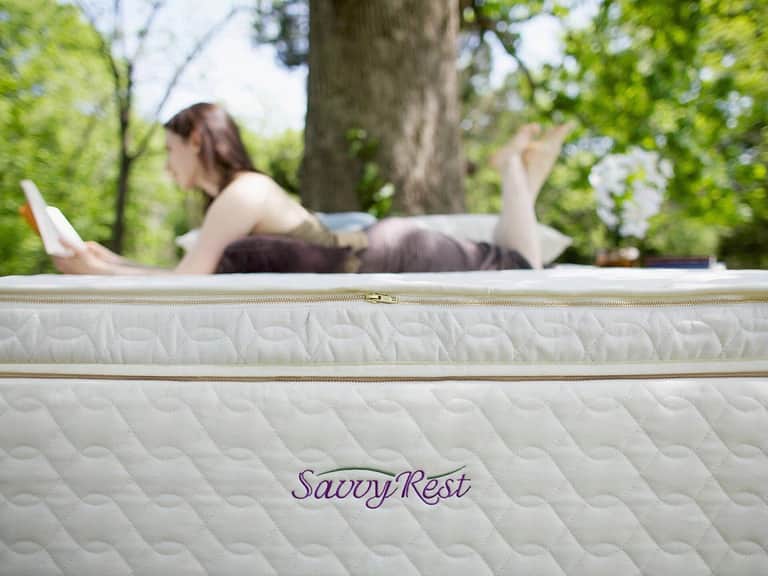
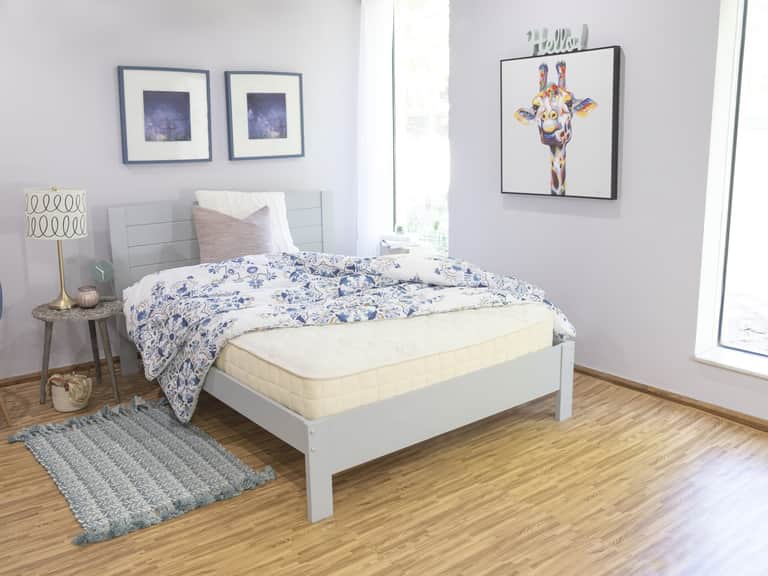
In keeping with a practical, educational, non-commercial frame, we examine a representative natural latex configuration: the Savvy Rest Unity Pillowtop Latex Mattress. This model blends layers of Dunlop latex with a Talalay topper, wrapped in a 100% certified organic cotton casing. Its customizable layers and a 20-year warranty illustrate how latex mattresses can balance comfort with long-term durability, a crucial consideration for vegan consumers who prioritize non-animal-derived materials and transparency.
Key features include:
- Four-layer structure with a topper for personalized softness
- Organic cotton outer casing and layer materials
- Certifications and a flexible exchange policy to tailor comfort
- Clear composition details for informed evaluation
Note: While the Savvy Rest Unity Pillowtop is a high-quality example, this article remains non-commercial and educational. Readers should use it as a model to understand how latex mattresses present in certifications and material disclosures.
Savvy Rest Unity Pillowtop Latex Mattress (13-inch)
- Core: Dunlop latex with a Talalay topper
- Cover: 100% organic cotton
- Materials: Natural latex, wool, and cotton components
- Warranty: 20 years
Product spotlight
Savvy Rest Unity Pillowtop Latex Mattress – a practical case study in a vegan-friendly, layered latex design.
Note: The imagery and product specifics above are provided as a reference for educational analysis. For actual purchases, consult official product pages and current certifications.
Sleep science and vegan bedding: a closing perspective
Sleep is a complex physiological process influenced by environmental factors, including the materials that contact the body. Natural latex offers breathable microclimates, hypoallergenic potential, and durable resilience that can support healthy sleep habits when paired with appropriate covers and climate control. In vegan bedding, the emphasis on plant-based sourcing, transparent certifications, and non-animal-derived finishes guides a broader embrace of sustainable sleep environments.
The natural latex mattress movement reminds us that modern science and ethical consumption can share a common ground: products designed to enhance human health while respecting animal welfare and ecological integrity. By foregrounding certifications, asking critical questions, and prioritizing sleep comfort, readers can navigate the market with confidence and curiosity.
A practical rule of thumb: seek products with complete transparency, robust third-party certifications, and a feel that suits your sleep style. Pair your mattress choice with a vegan-friendly bedding ecosystem—organic covers, low-toxicity dyes, and breathable textiles—to craft a bedroom that aligns with both science and values.
This article follows a non-commercial, educational objective, emphasizing materials science, certifications, and sleep wellness within vegan beddings. References to specific products are for illustrative, instructional purposes and reflect the evolving landscape of vegan and sustainable sleep products.